
Teeth Grinding
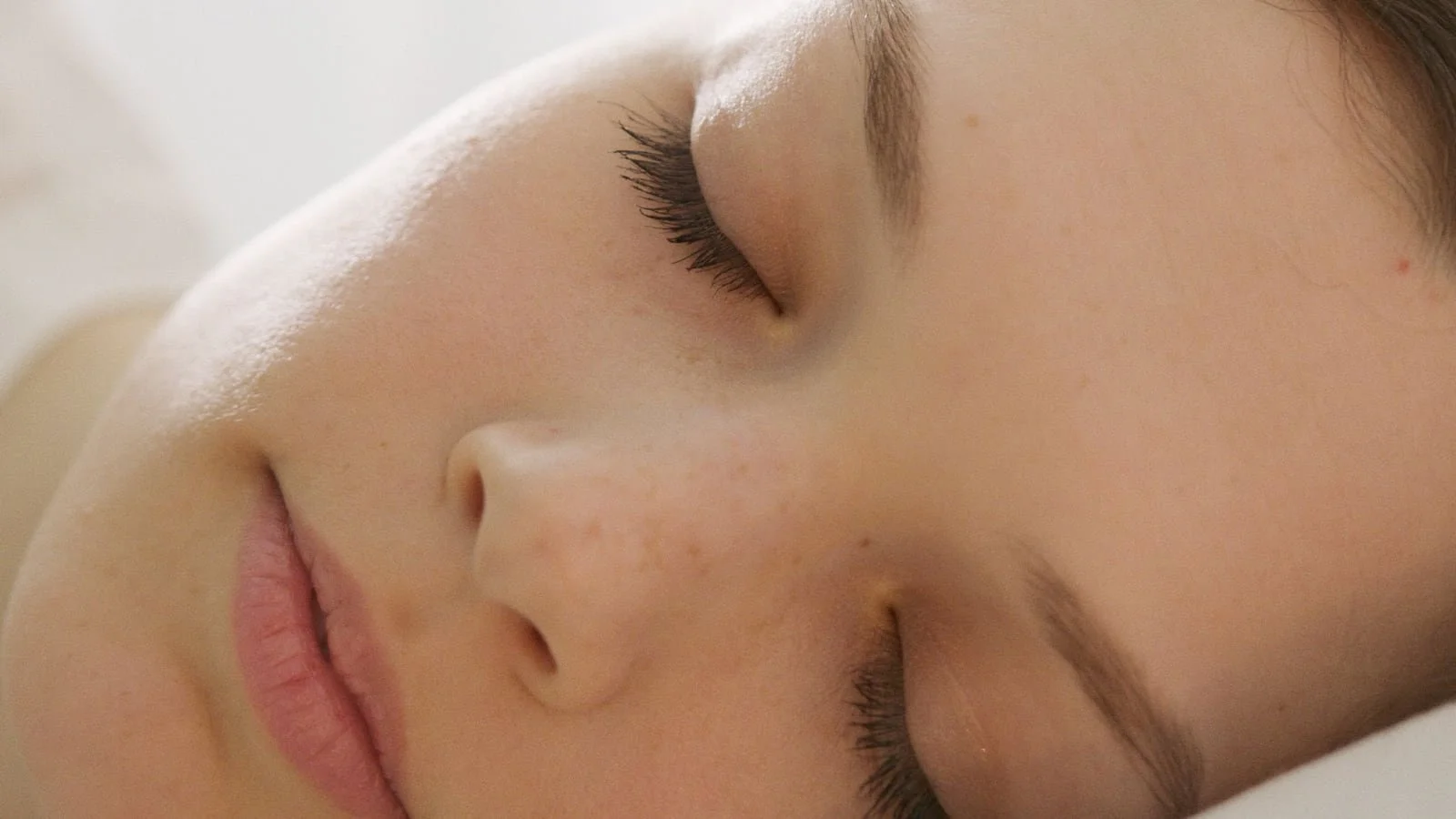
It might seem like you’ve gotten a great night’s sleep—but why aren’t you well rested? Worse, why are you waking up with:
A headache
Ringing in your ears or an earache
Pain in your jaw
Worn or sensitive teeth
Dry mouth or mouth and cheek injuries
An unhappy partner who’s been kept awake all night?
If you suffer from any or all of these symptoms, you might be one of the millions of people who have a sleep-related disorder called bruxism, better known as teeth grinding.
There are any number of causes that have been linked to bruxism. Stress and other negative emotions seem to trigger episodes, as can lifestyle habits such as smoking and drinking alcohol or caffeine. Sleep apnea can lead to grinding your teeth, or you could have bite or tooth alignment problems. Certain medications might set off this disorder, and some studies have shown a hereditary tendency in families. Whatever the reason you grind your teeth, there are many important reasons to stop as soon as you can.
As bad as the nagging headaches and earaches that can accompany bruxism can be, long-term damage to your teeth can develop over time. With continuing grinding pressure on the teeth, enamel is worn away prematurely. Teeth can crack or chip. They may loosen or develop sensitivity to heat, cold, and pressure. Gum tissue can recede or become inflamed. Dental restorations can be cracked or broken.
If you wake up with jaw pain or a headache, you may be grinding your teeth. Call us at (256) 772-5757 to get evaluated. We can recommend relaxation techniques, diet changes, or tips to help you relax your jaw. the doctor might suggest a nightguard, a custom-fitted appliance worn while you sleep, to reduce the impact of grinding. There are options available. Let’s work together to make every night’s sleep a restful, healthy one.
